

Select a template to get started
Choose from the templates in the sidebar to create a new medical report
Medical Report Generator Technical Documentation
What’s New: Specialized Reporting Updates
Updated Introduced four new highly specialized clinical templates:
- Pathology Report: Structured tissue sample analysis (gross description, microscopic findings, diagnosis).
- Cardiology Report: Framework for ECG, Echocardiogram, and Stress Test assessments.
- Oncology Report: TNM staging documentation and tumor board record management.
- Telemedicine Consultation: Virtual exam limitations and remote consent capture.
What this tool does
The Medical Report Generator is a clinical documentation system designed to produce standardized, professional medical records. It functions as a medical report maker that translates clinical observations into a structured format suitable for hospital records, patient discharges, and specialist referrals.
Supported Report Templates & Usage Scenarios:
- Pathology Report: Detailed tissue sample analysis; use for biopsy gross/microscopic findings and final diagnosis.
- Cardiology Report: Cardiac assessment framework; use for documenting ECG, Echocardiogram, or Stress Test clinical impressions.
- Oncology Report: Cancer care documentation; use for TNM staging, treatment protocols, and tumor board recommendations.
- Telemedicine Consultation: Virtual encounter record; use for remote consultations requiring connection audit and patient consent tags.
- General Medical Examination: Routine physical evaluation; use for primary care check-ups and wellness exams.
- Laboratory Results Reporting: Specimen analysis summary; use for presenting blood work or pathology lab values with reference ranges.
- Radiology/Imaging Reports: Diagnostic imaging record; use for CT, MRI, or X-ray technique and impression summaries.
- Hospital Discharge Summary: Transition of care record; use for summarizing admission, hospital course, and discharge planning.
- Surgical Reports: Operative documentation; use for pre/post-op diagnoses, procedure logs, and surgical findings.
- Mental Health Assessment: Psychiatric evaluation; use for mental status exams, risk assessments, and DSM diagnosis.
- Physical Therapy Evaluation: Functional mobility record; use for documenting range of motion, strength, and rehab plans.
- Pediatric Check-up: Growth and development record; use for childhood wellness visits and vaccination tracking.
- Chronic Disease Management: Longitudinal care log; use for tracking HTN, Diabetes, or Asthma control over time.
- Emergency Room Visit: Acute care record; use for documenting time-sensitive triage findings and emergent treatments.
- Pre-operative Assessment: Surgical clearance record; use for anesthesia risk evaluation and physical readiness for surgery.
- Specialist Consultation: Referral response; use for providing specialized second opinions or treatment recommendations.
How to use it
To generate documentation using the medical report generator online, follow this protocol:
- Template Selection: Select the specialty-specific framework (e.g., SOAP Note, Discharge Summary, Radiologic Impression).
- Provider Data: Enter physician and facility details. This data is persistent for subsequent sessions.
- Patient Demographics: Input patient identifiers and relevant historical data.
- Clinical Input: Complete the standardized fields tailored to the selected report type.
- Finalization: Preview and generate the medical report generator pdf for clinical filing.
Underlying logic / formula
The tool utilizes a hierarchical documentation model based on the SOAP (Subjective, Objective, Assessment, Plan) standard. This ensures clinical reasoning is captured logically across all patient report templates.
The underlying logic applies the following processing rules:
- Standardized Nomenclature: Prompts for consistent medical terminology to improve communication between providers.
- Abnormal Highlighting: Logic triggers visual alerts for laboratory values outside standard reference ranges.
- Visual Data Mapping: Numeric vitals are processed into graphical representations to facilitate clinical trend analysis.
- Structured discharge logic: Hospital course and follow-up instructions are prioritized for continuity of care.
Limitations & scope
- Does not replace the professional clinical judgment of a licensed practitioner.
- Users are solely responsible for compliance with HIPAA, regional healthcare regulations, and facility-specific documentation policies.
- The tool does not verify the medical accuracy of user-entered data.
- Final reports must be reviewed and authenticated by the responsible healthcare provider before inclusion in a patient’s permanent record.
References & Related Tools
Credible Resources:
- SOAP Notes Documentation Standards. National Institutes of Health (NIH). NCBI NBK482263 Documentation
- Health Information Privacy (HIPAA). U.S. Department of Health & Human Services. HHS HIPAA Guidelines
- Clinical Documentation Improvement Standards. American Health Information Management Association (AHIMA).
Related Healthcare Tools:
You Might Also Like:
 BMI Calculator for Women – Accurate Women BMI & Healthy Range by Age
 Free Prescription Maker with Professional Custom Templates
 Doctor Business/Visiting Card Maker – Professional Templates
 Medical Disclaimer Generator – Generate 100+ Personalised Disclaimers
![[2025] Best Medical Citation Generator – Generate citations free!](https://medplore.com/wp-content/uploads/2025/05/medical-citation-generator-300x200.jpeg) [2025] Best Medical Citation Generator – Generate citations free!Medical Barcode And QR Code Scanner
[2025] Best Medical Citation Generator – Generate citations free!Medical Barcode And QR Code Scanner![Free Medication Label Generator [Pharmacist-Approved Templates]](https://medplore.com/wp-content/uploads/2025/05/pharmacy-label-generator-300x200.jpeg) Free Medication Label Generator [Pharmacist-Approved Templates]
Free Medication Label Generator [Pharmacist-Approved Templates]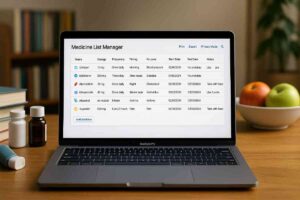 Ultimate Medicine List Manager – Color-Coded Medication Tracking
 Free Doctor Handwritten Prescription Reader Online
 Free Terminology Breakdown Tool – Medical Term Decoder
 MCG to MG Calculator for Doctors, Nurses and Educational Purposes
 mL to tsp (Teaspoon) with Spoon Visualiser – mL tsp Medicine Calculator
 Prescription Refill Calculator – Refill Date Calculation Made Easy
 Advanced Sleep Pattern Calculator & Analysis – Sleep Persona/Score
 Healthcare QR Code Solution for Clinics – Digital Prescription & Lab Results
 Professional IU ↔ mg/µg Calculator – Precise & Customizable
 Free ECG Simulator Online – Learn, Annotate & Export ECGs Easily
 Free Online EEG Signal Generator & Simulator
 Breast Cancer Risk Assessment Score – GAIL and Tyrer-Cuzick Model
 DICOM Viewer Online Free – Secure Medical Image Analysis Tool
 How Late Is My Period? Late Period Calculator Online Free
 400+ Professional Hospital & Clinic Name Ideas With Meaning
 Medical CC to ML, MG, TSP, OZ Converter With Syringe Visualization
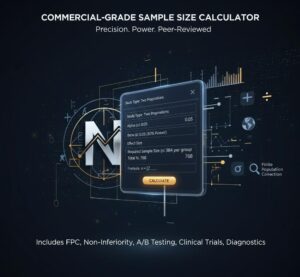 Professional Sample Size Calculator for Research & Clinical Trials
 Complete Fluid Ounce Converter – FL OZ to ML, Grams, Liters & More
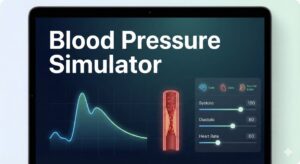 Free Blood Pressure Simulator Online – Visualize, Practice & Learn
 Pregnancy Conception Calculator – Find When You Likely Conceived
 Magnesium Deficiency Quiz – Assess Your Risk in 5 MinutesPill Identifier
 Advanced BMI Calculator
 How Much Water Should I Drink? Water Intake Calculator
 Free Pill Reminder Tool – Track Your Medicines & Get Alerts
 Pregnancy Due Date Calculator With Timeline And Trimester Tracker
 Free Ovulation & Fertility Tracker – Period Calendar With Reminders
 Medicine 3 Times a Day Calculator – Optimize Your Medication Schedule
 Calorie Calculator To Gain, Maintain and Lose Weight
 Nutritional Deficiency Calculator – Identify & Fix Your Nutrient Gaps
 Evidence-Based B12 Deficiency Assessment – Symptom Checker & Quiz
 MG to ML Syringe Calculator – Precise Dose Conversion Tool
 Medicine Time Calculator – Medication time scheduler
 Am I Zinc Deficient? Free Zinc Deficiency Test OnlineOnline Pill Reminder
 Calcium Deficiency Test – Free Online Quiz & Risk Calculator
 Are You Vitamin D Deficient? Ultimate Quiz & Assessment Tool 2025
 Am I Vitamin C Deficient – Assess Your Risk Instantly
 Are You Iron Deficient? Know Instantly Using Our Free Assessment Tool
 Am I Pregnant? – Pregnancy Probability Calculator
 Create Medical Appointments with WhatsApp + Calendar Invites (No App Needed)
 What Time Should I Take My Medicine in Another Country?
 Best Gut Health Check Quiz – Improve Your Gut Health Today
 All-In One Dose Calc Nursing – IV, Peds, BSA & Titration
 Free Medical Invoice Generator – Hospital Bill & Receipt Creator
![[FREE] Medicine Expiry Date Checker & Safety Scanner](https://medplore.com/wp-content/uploads/2025/04/medicine-expiry-checker-300x300.jpeg) [FREE] Medicine Expiry Date Checker & Safety Scanner
[FREE] Medicine Expiry Date Checker & Safety Scanner BSA Calculator – 5 Formulas, Chemotherapy, Cardiac & Burn Dosing